
 Business License
Load Bank Maintenance: A 12-Month Schedule
A load bank is a measuring instrument that happens to get hot. That distinction matters more than most maintenance plans assume: a bank reading 3% low will pass a UPS or a generator that never actually reached rated load, and the test report will look clean. Load bank maintenance is therefore less about cleaning filters and more about keeping the step ratings, the metering, and the switching inside the tolerance the acceptance criteria were written against.
Why This Is a Calibration Question First
The specs that decide a pass or fail are tight. A typical resistive-inductive unit holds overall load accuracy at ±3%, with display accuracy at class 0.5. Those numbers are what a commissioning agent signs against. Two consequences follow:
Verification has a standard behind it. ISO 8528-6:2023 defines how a generating set is characterised, and a bank that has drifted invalidates the characterisation rather than the set. NFPA 110's annual supplemental test (50% for 30 minutes, then 75% for one hour) is equally dependent on the bank holding the stated percentages — a bank that under-reads turns a compliant run into an undocumented one.
The environment is part of the wear. A bank that lives on a quay, a plant yard, or a coastal site sees salt-laden air. IEC 60068-2-52:2017 exists precisely because salt degrades metallic and non-metallic parts, and cyclic salt mist is the test that predicts it. Element terminals, contactor coils, and terminal blocks are the parts that suffer first.
What Actually Degrades, and What to Check
Contactors and step switching. Step contactors do the switching work, and IEC 60947-4-1:2023 is the reference for their duty and construction. What fails is mechanical: contact erosion, silver plating loss, pitted arc chutes, and coil ageing. Inspect at defined step-operation counts rather than by calendar, replace contacts at the manufacturer's wear limit, and measure contact resistance across closed poles — an imbalance here shows up as a step that reads low under load.
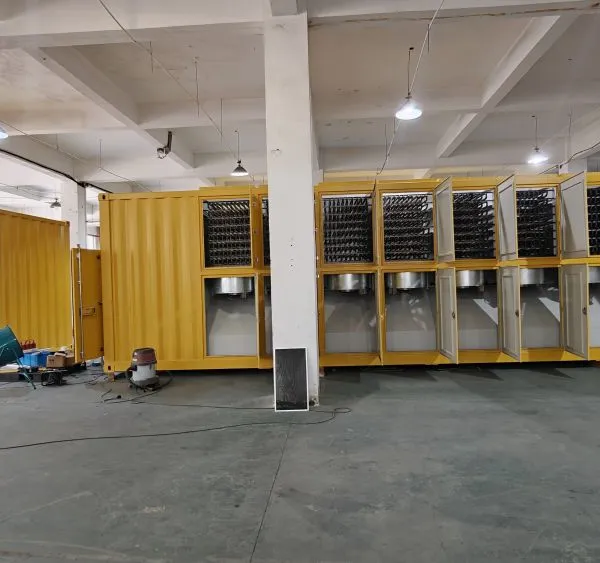
Resistive elements. Alloy elements are the load bank resistor elements proper, and they fail slowly: terminal torque loosens under thermal cycling, oxide builds on the element surface, and one element in a parallel group starts carrying less current than its neighbours. An infrared scan at 50–75% load finds this in minutes; unequal hot spots across a group mean unequal sharing, and unequal sharing means the step's real kW is below its nameplate.
Airflow. Forced-air banks are rated with a cooling assumption. Clogged inlet screens, a sagging filter, or a fan bearing on its way out raises element temperature and quietly reduces usable capacity — the classic case of a bank that "used to hold 6 MW". Clean the inlet and outlet screens at the interval your site dust demands, and check fan current against the commissioning record.
Metering and transducers. Class 0.5 display accuracy does not survive a decade unverified. Annual calibration with a traceable certificate is the norm on projects where the test is witnessed; the certificate is also what the surveyor or commissioning agent asks for.
Cables, terminations, and insulation. Containerised banks travel. After every transport, check terminal torque, inspect cable glands, and run an insulation resistance test on the control and measurement circuits before energising. A bank that was perfect at the factory and sat on a trailer for two weeks is not the same instrument.
How Often Should a Load Bank Be Serviced?
The honest answer is that the interval is set by three things — how often the unit runs, how corrosive the site is, and whether the test result will be witnessed — not by a single number:
Before every project: visual inspection, screen cleaning, terminal torque check, insulation resistance test on control circuits, and a no-load functional check of every step.
Monthly, in dusty or coastal service: inlet and outlet screen cleaning, fan inspection, and a look for salt deposits or corrosion on terminals.
Annually: metering calibration with a traceable certificate, step accuracy verification at a defined load, contactor inspection, and thermographic scan at 50–75% load.
Every three years, or after heavy use: contactor contact replacement, element resistance measurement per group, and a full-load capacity verification against nameplate.
A Twelve-Month Programme That Fits a Project Calendar
Record the baseline at commissioning. Step kW and kvar, fan current, and contact resistance per pole. Without a baseline there is nothing to compare against, and every later reading becomes an opinion.
Log every run. Hours, step counts, maximum load, and ambient temperature. Wear intervals are driven by switching operations, and nobody remembers the count.
Do the pre-project check as a gate. No bank leaves the yard without a step-by-step functional test and an insulation test. This is cheaper than a failed witness test on site.
Calibrate before witnessed work. Schedule metering calibration so the certificate is valid across the test window, not expiring in the middle of it.
Thermally scan under load once a year. It is the fastest way to find a degrading element group or a loose termination before it becomes a capacity shortfall.
Clean airflow paths on the site's dust cycle. Screens every month in dusty service, quarterly on clean indoor sites, and always after a long storage period.
Review contactor wear against step counts. Replace contacts on measured wear, not on a fixed number of years.
Re-verify capacity after any element or contactor work. A repair that is not re-measured is an assumption.
What We Build In to Make This Practical
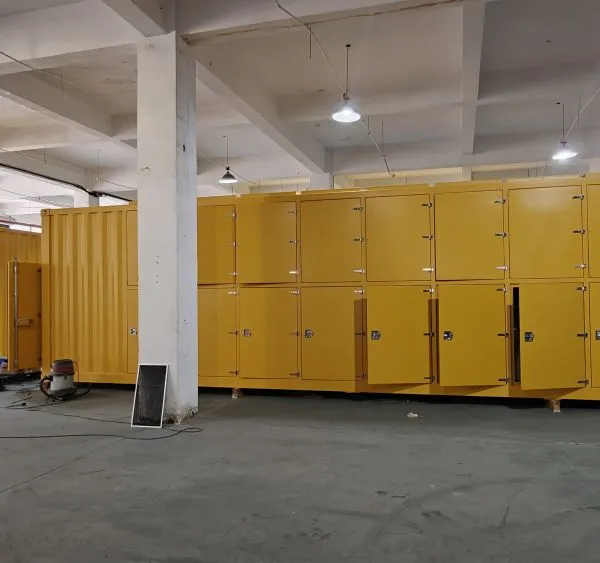
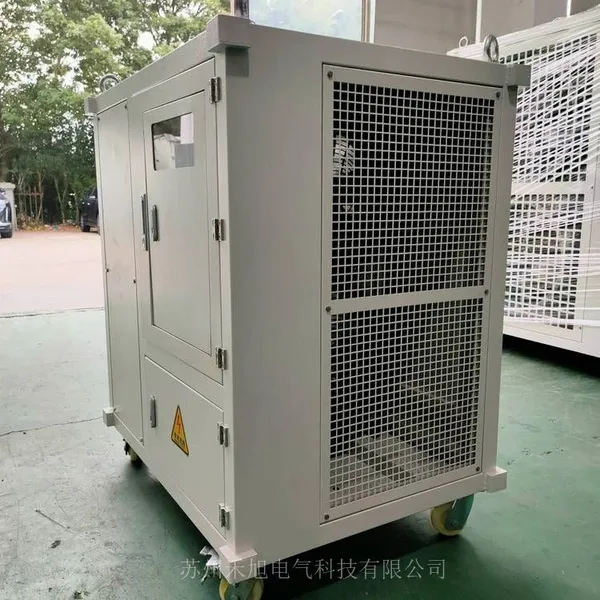
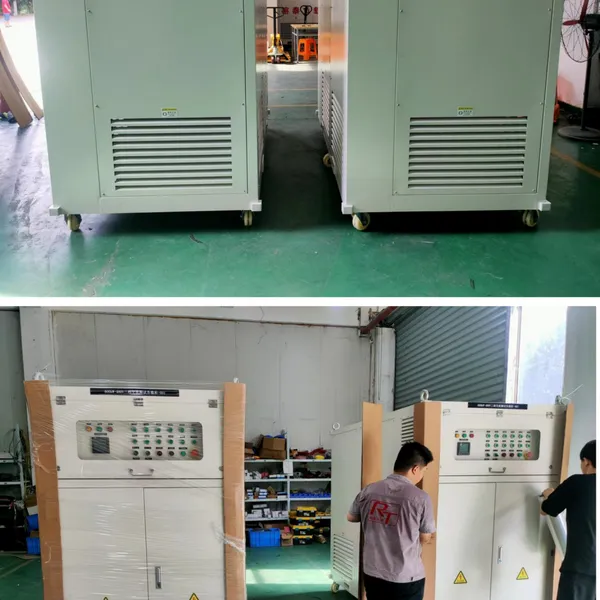
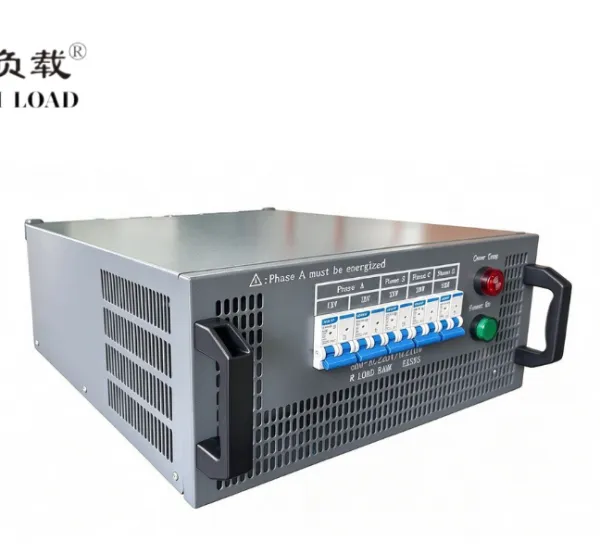
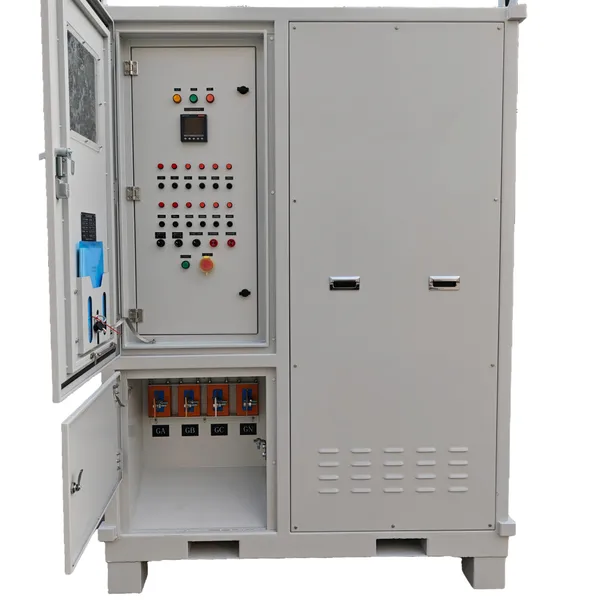
Maintenance is a design decision before it is a schedule. Rongtai load banks — from rack-mounted units in a data hall to 6 MW resistive-inductive containers — put service access where the work happens: resistor compartments with protective doors and guarded screens, control sections rated IP54 with the resistor chamber at IP21 in operation, RS485 and Ethernet interfaces so load, step status, and run hours can be logged rather than written on a clipboard, and lifting arrangements that survive repeated crane movement between quay, yard, and deck.
Client names and reported results are not ours to publish; the provisions above are what the units are specified with.
FAQ
Can a load bank be serviced on site, or does it have to return to the factory?Screens, filters, terminal torque checks, insulation tests, and contactor inspection are all site work. Element replacement and metering calibration are better done in a workshop with traceable equipment. Containerised units are usually serviced on site for screens and fans, and returned only for element or calibration work.
Do I need a calibration certificate for a witnessed test?Assume yes. Commissioning agents, class surveyors, and third-party inspectors increasingly ask for traceable metering calibration, and an expired certificate can hold up a sign-off even when every other reading looks right.
What spares should a rental fleet or a multi-site owner hold?Step contactors and coils for the most-used ratings, fan assemblies, and a set of element groups for the largest step. Those three cover the failures that stop a test; everything else can wait for a planned service.
Next Step
Send the unit's model, its commissioning baseline, and the date of the next witnessed test. A service plan built around those three items — and around the site's dust and salt exposure — is usually shorter and cheaper than the annual overhaul most owners default to.
Recently Posted
-
Load Bank Testing for Shipyard Commissioning
November 20, 2026Published on 20 November 2026A newbuild's generators are usually proven last and in the worst conditions. During outfitting th Read More
-
Load Bank Testing for Standby Generators
November 19, 2026Published on 19 November 2026A generator that starts and carries a building at 12% load has not been tested. It has been started. Read More
-
Rongtai Load Banks for Data Center Commissioning
November 19, 2026Published on 19 November 2026A load bank is the only piece of test equipment that lets you prove a power system at its rated load Read More
-
Compact Yet Professional | Clever Uses of Rack-Mounted Loads!
November 6, 2026In recent years, data centers have become the core hubs of the digital economy, making the reliability of power and cooling system Read More

Contact Us
Recommended Products
-
 Latest Design and Upgrade of Liquid Cooling Loadbank Specifically for US‑market CustomersNegotiableMOQ: 1 Unit
-
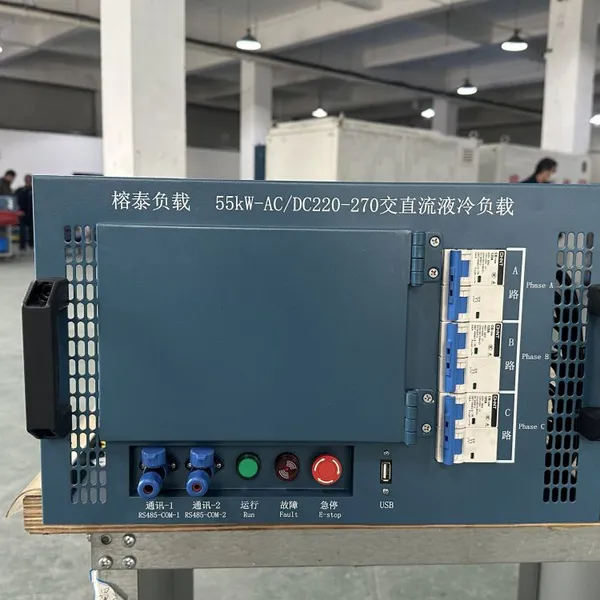
Liquid Cooled Rack Mounted Load BanksNegotiableMOQ: 1 Unit
-
500kw Liquid-cooled Load BankNegotiableMOQ: 1 Unit
-
AC/DC Watering Cooling Load BankNegotiableMOQ: 1 Unit
-
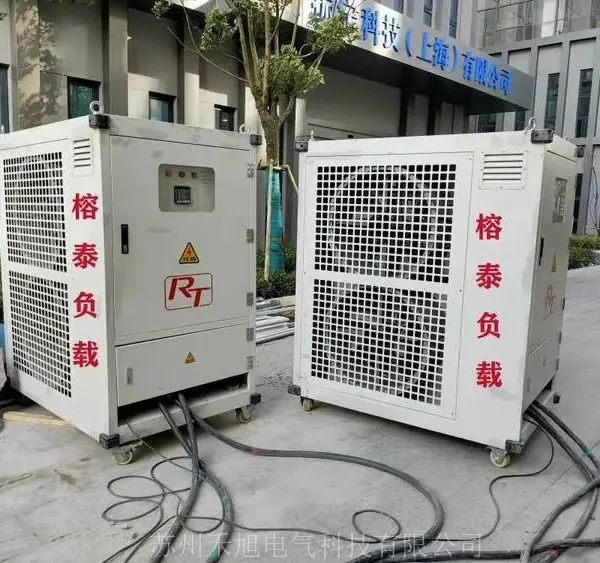
AC 400V 10-5000 Resistive Load Bank for UPS TestingNegotiableMOQ: 1 Unit
-
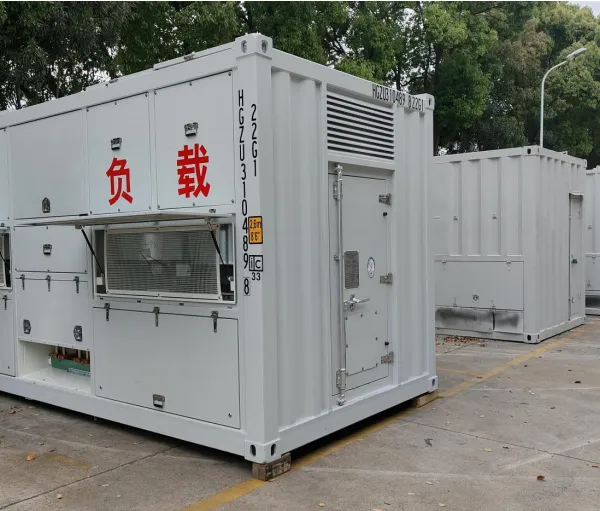
MW Container LoadBank for Generator Industrial GradeNegotiableMOQ: 1 Unit
-
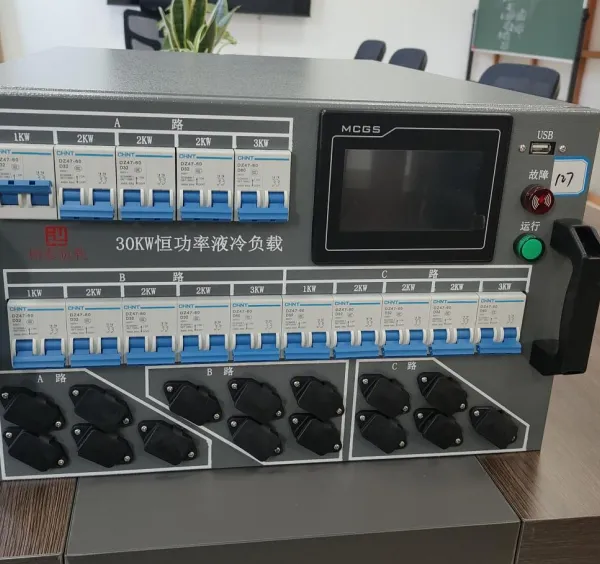
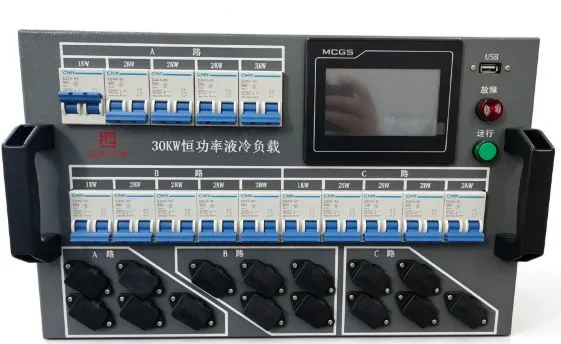
30kW Liquid-cooled Load BoxNegotiableMOQ: 1 Combo
-
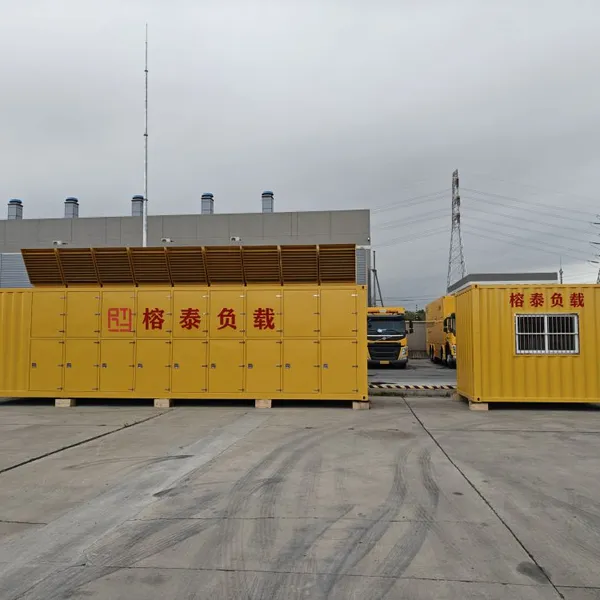
6,000 kW Medium-Voltage Resistive-Inductive Load Bank, 7,500 KVA at 0.8 PF, PLC-ControlledNegotiableMOQ: 1 Unit
-
30kW Liquid-cooled Load BoxNegotiableMOQ: 5 Units
-
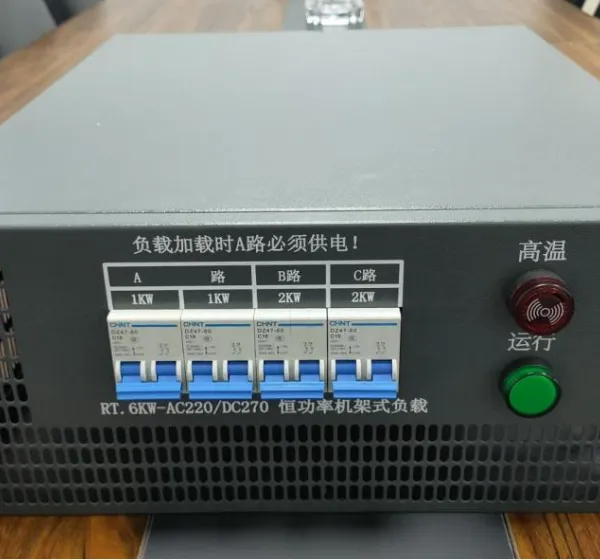
Rack-Mounted LoadsNegotiableMOQ: 10 Units
-
Low-Voltage Load Bank for Generator Commissioning, 400 V 3-Phase, Dry-Type ResistiveNegotiableMOQ: 1 Unit
-
30 kW Liquid-Cooled Load Bank for High-Density Rack Testing, Compact ChassisNegotiableMOQ: 5 Units
-
Rack-Mounted Load Bank for Data Hall Testing, 6–8-12 KW, AC/DC UniversalNegotiableMOQ: 50 Units
-
800 kW Three-Phase AC Load Bank for Generator Acceptance, 400 V, ResistiveNegotiableMOQ: 1 Unit
-
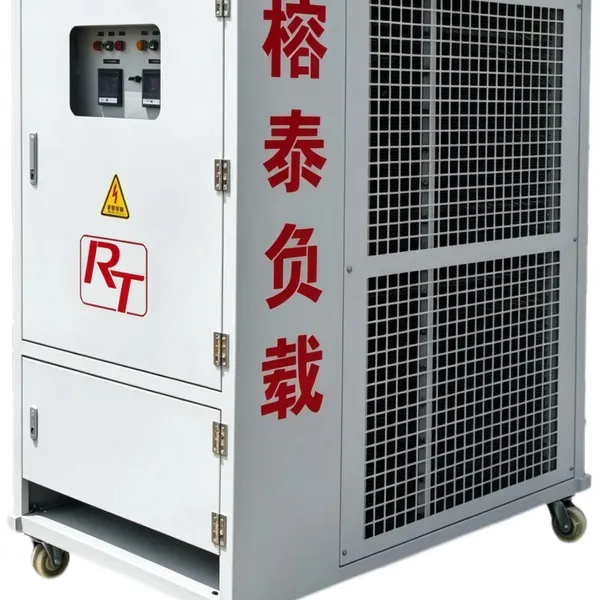
6,000 kW Resistive-Inductive Load Bank, 7,500 KVA at 0.8 PF, PLC-ControlledNegotiableMOQ: 1 Unit
-
OEM ODM Acceptance Load Bank All Types All Specifications All Dimensions CustomizedNegotiableMOQ: 100 Units
-
Medium Size Power Rate Loadbank Dimension CustomizedNegotiableMOQ: 5 Units
-
Removeable Load Bank With Castors Power Rated Medium Size 500-1000kw UPS Generator TestingNegotiableMOQ: 1 Unit
-
High Voltage Load Bank for Power StationNegotiableMOQ: 1 Unit
-
MW Power Rated Load Bank Industrial GradeNegotiableMOQ: 1 Unit