
 Business License
Load Bank Testing for Shipyard Commissioning
Published on 20 November 2026
A newbuild's generators are usually proven last and in the worst conditions. During outfitting the vessel draws lighting, HVAC, and a few winches — perhaps 10% of a 1,000 kW set — and that is the only load most yards can offer before the quay connection is energized. The generator starts, holds voltage, and passes a test that proves almost nothing about how it will behave at sea. A load bank closes that gap, provided it is sized and connected against the approved test procedure rather than against a catalogue rating.
What the Yard Is Actually Required to Prove
Marine generator acceptance is specified at three levels, and a load bank has to satisfy all of them:
Equipment standard. IEC 60092-301 covers generators and motors in ships' electrical installations, including the requirements placed on the prime movers that drive them. It defines the machine, not the test sequence.
Test method. ISO 8528-6:2023 sets out how a complete generating set is characterised, and it assumes testing at rated power factor — with unity power factor permitted only by agreement between manufacturer and customer. At 0.8 PF, a resistive-only bank leaves roughly 20% of the alternator's kVA unproven, along with the excitation response and AVR behaviour that a ship's load steps will demand.
Class and statutory requirements. Classification societies set the sea-trial programme and witness it. DNV's guidance on standby generator testing, issued in 2018, is explicit that on vessels where electricity is necessary for propulsion and steering, the automatic start and connection of the standby set to the switchboard must be demonstrated — a test that has nothing to do with hotel load and everything to do with a step application against a live board.
Shore power adds a fourth requirement that yards increasingly carry. IEC/IEEE 80005-1 governs high-voltage shore connection systems, and commissioning a HVSC installation means proving the link at its rated voltage and current, not just confirming that the plugs mate. That test needs a load at 6.6 kV or 11 kV on the quay side.
What a Shipyard Load Bank Has to Handle
Rongtai builds load banks from 1 kW to 50 MW; the units that end up in yards share four requirements that a data-centre or factory bank does not:
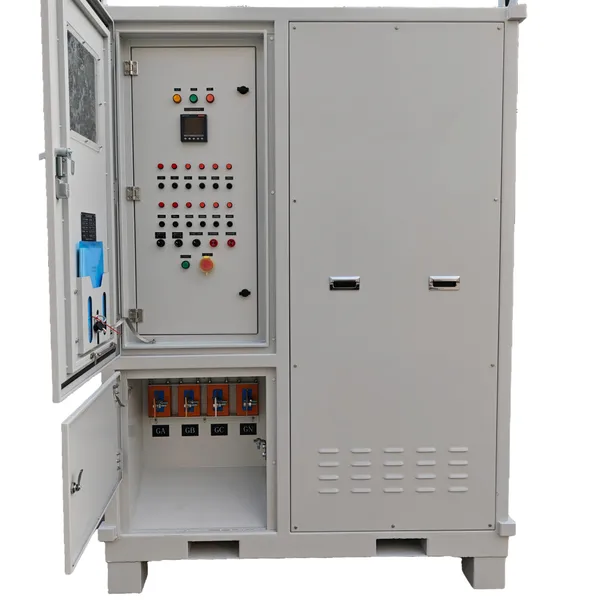
Voltage range beyond LV. 380–440 V at 50 or 60 Hz covers the ship's own board and most dock-trial work; 690 V covers the four-wire distribution found on larger vessels; containerised medium-voltage units at 6.6 and 11 kV serve HVSC commissioning and shore-interface testing.
Resistive-inductive capability. kvar steps are what make a 0.8 PF test possible, and they are also what let a yard demonstrate parallel operation and load sharing between two sets at a realistic power factor rather than at unity.
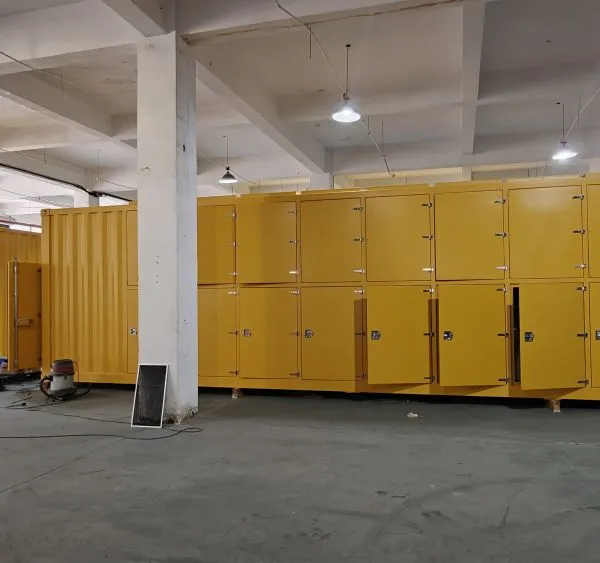
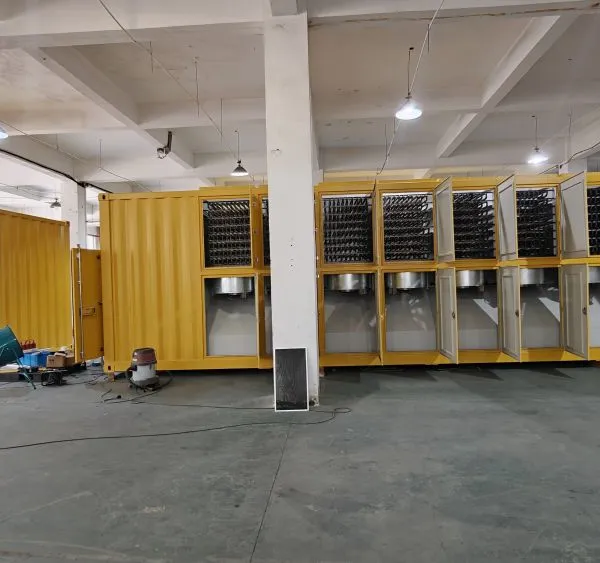
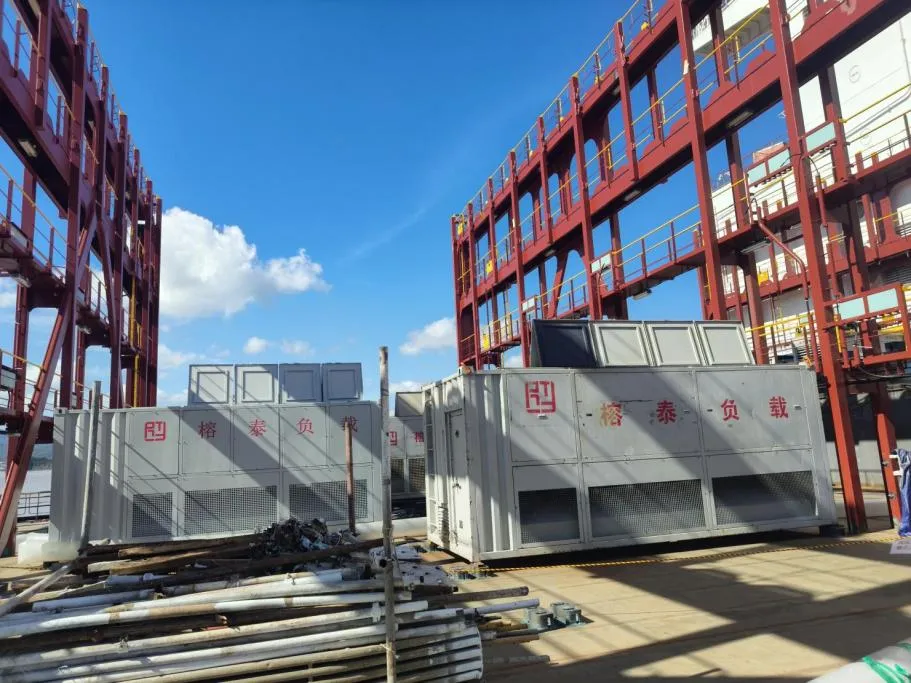
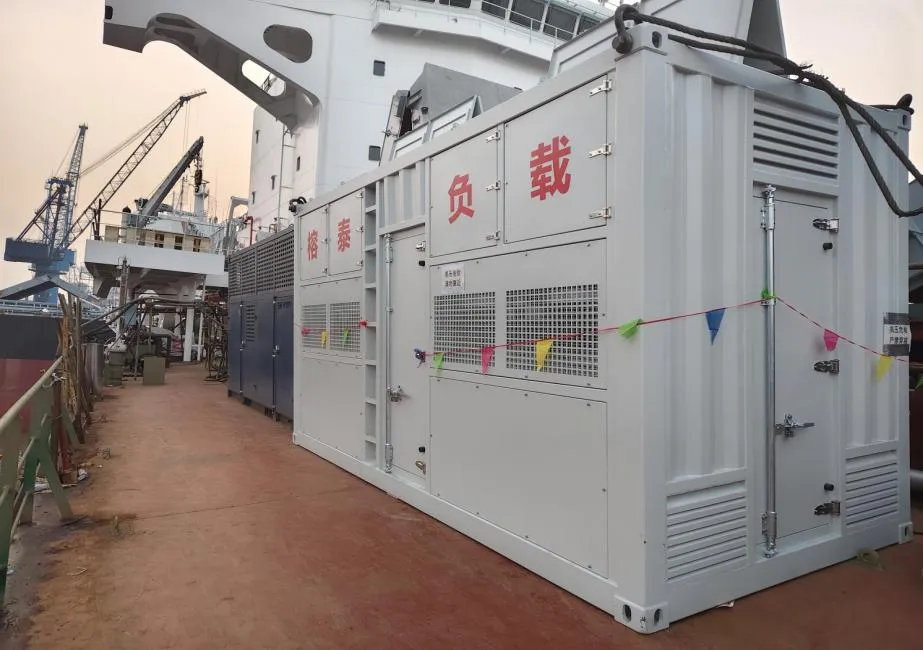
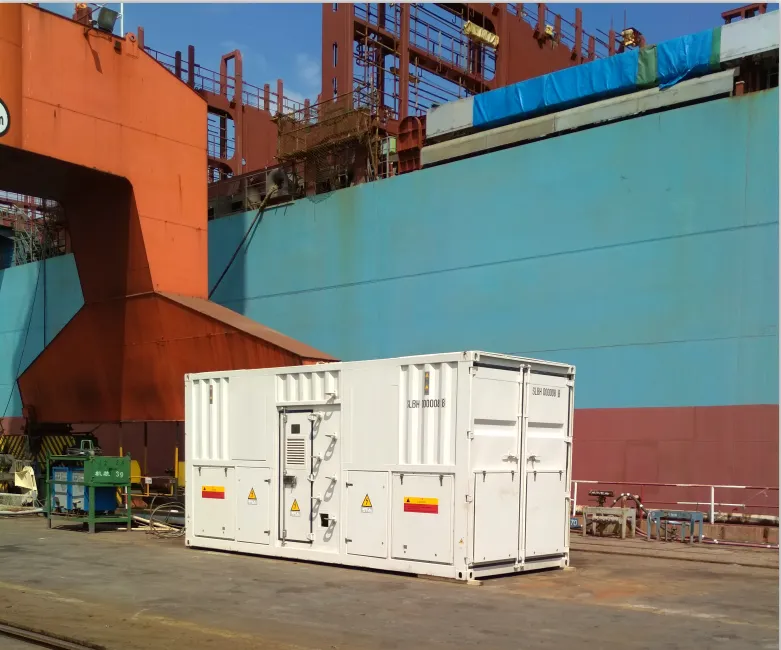
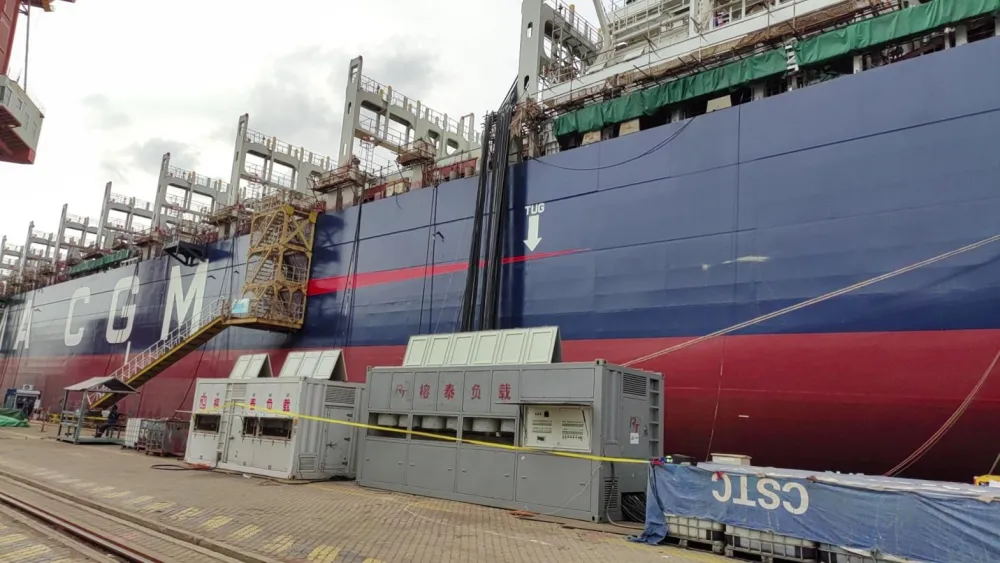
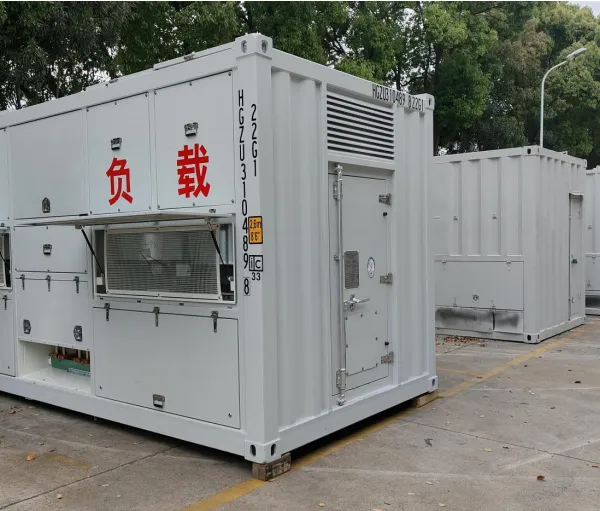
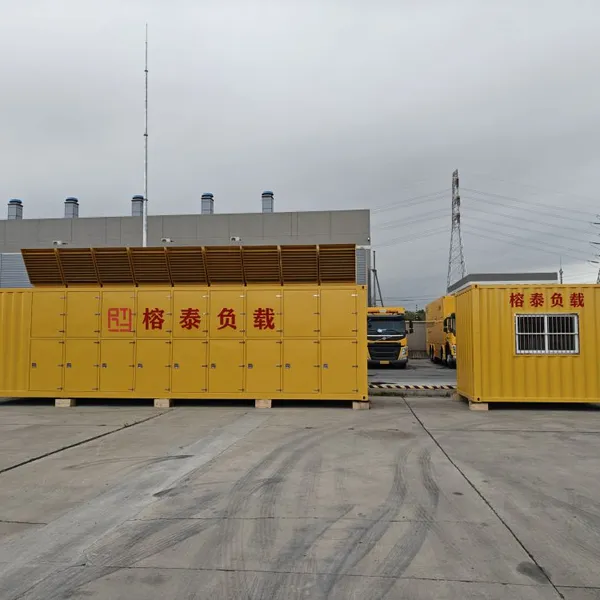
Outdoor, salt-air duty. The control compartment is IP54 and the resistor chamber IP21 during operation, which is the practical split: electronics sealed, resistor elements ventilated. On a quay that means a containerised bank, cabled to the vessel's switchboard, with the air inlet kept clear of the deck clutter.
Crane handling. Load-bearing lifting eyes on the roof, a container footprint of roughly 9.5 × 2.4 × 2.9 m, and a mass near 26 t for a 6 MW class unit. If the bank has to move between the quay and the deck, that has to be designed in, not improvised with slings.
How to Load Test a Ship's Generator During Dock and Sea Trials
This is the sequence that survives a class surveyor's review.
Start from the approved test procedure, not the machine. The yard's commissioning plan, the class society's sea-trial requirements, and the contract's ISO 8528 performance class govern the load points. A load bank quoted before those documents are read is a guess.
Fix the load points and the holds. Progressive steps at 25 / 50 / 75 / 100% are the common baseline, each held long enough for temperatures to stabilise; overload runs and their duration come from the class rules and the specification, not from habit.
Decide where the load sits. A shore bank on the quay is the normal choice for dock trials and HVSC work. An on-board or deck-mounted bank is the alternative when the quay supply is not yet available — which, on a congested newbuild berth, is the usual case.
Confirm the interface before the bank arrives. Breaker rating and setting, cable length and cross-section, earthing arrangement at the connection point, and whether kvar capacity or power-factor control is needed. Interface mismatch is the single most common reason a bank sits on the quay unused.
Step the load and record the transient. Sudden load application and rejection are the tests that reveal AVR and governor behaviour; a steady-state reading at each step proves capacity, but the recovery curve proves the set.
Run the parallel test. Two sets on load sharing, with the bank holding a defined total so the division between machines can be measured rather than inferred.
Witness and log. Signed test sheets, with the load points, holds, and measured values, are what convert the run into an accepted item.
Configurations We Have Delivered
Client names and reported results are not ours to publish; the configurations below are described by purpose.
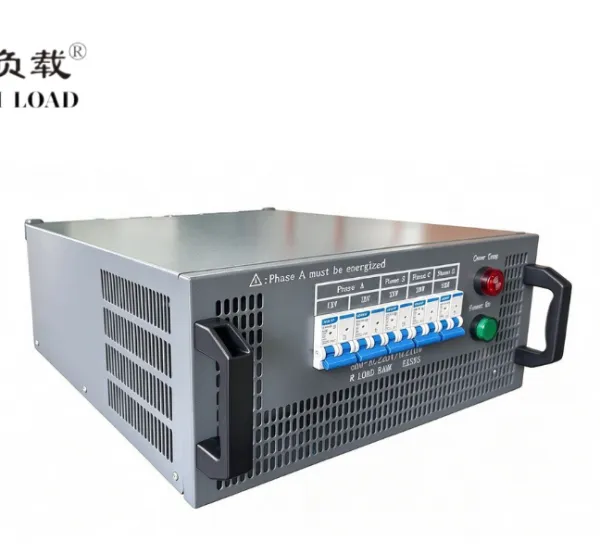
Containerised medium-voltage banks have been supplied for plant back-feed testing, where station supply is reversed into the system before the grid connection exists — the same platform, at the same voltage class, that HVSC commissioning on a quay requires. Resistive-inductive containers in the 6 MW class have been built with kvar capacity sized to hold 0.8 PF at rated kVA. 400 Hz units at 115/200 V cover ground power and aviation-support testing, and rack-mounted AC/DC banks serve laboratory and harbour-side equipment checks where the load has to be small and portable.
FAQ
Can one bank serve both the dock trial and the sea trial?Yes, if it is containerised, crane-rated, and sized to the larger of the two programmes. The constraint is logistics, not electrical: the bank has to be lifted aboard, secured, and cabled to a switchboard that is often in a machinery space, so the lifting arrangement and cable length belong in the specification.
Is resistive load enough for a class-witnessed test?Only where the approved procedure is written in kW. Where the alternator must be demonstrated at rated kVA and power factor — including parallel-operation tests — specify inductive steps. Adding kvar capacity to a bank after the fact means a second unit, not an upgrade.
How long is lead time for a containerised medium-voltage unit?Longer than a low-voltage bank, because the voltage class, step schedule, protection settings, and connection arrangement are project-specific. Give the test date and the class-society witness schedule in the enquiry; those two dates, not the price, normally fix the delivery plan.
Which standards apply to the unit itself?Switching and control follow IEC 60947; machine temperature limits are assessed under IEC 60034-1 where the set is being evaluated; CE marking is standard for EU delivery. Class-society acceptance applies to the test and the vessel's equipment, not to the load bank — the bank is an instrument, and the surveyor will ask for its calibration and step accuracy rather than its type approval.
Next Step
Send the approved test procedure, the vessel's generator ratings and power factor, the connection point voltage, and the witness schedule. Sizing a bank against those four inputs takes an afternoon; discovering on the quay that the kvar capacity, cable, or lifting arrangement is wrong costs a tide.
Recently Posted
-
Load Bank Maintenance: A 12-Month Schedule
November 20, 2026A load bank is a measuring instrument that happens to get hot. That distinction matters more than most maintenance plans assume: a Read More
-
Load Bank Testing for Standby Generators
November 19, 2026Published on 19 November 2026A generator that starts and carries a building at 12% load has not been tested. It has been started. Read More
-
Rongtai Load Banks for Data Center Commissioning
November 19, 2026Published on 19 November 2026A load bank is the only piece of test equipment that lets you prove a power system at its rated load Read More
-
Compact Yet Professional | Clever Uses of Rack-Mounted Loads!
November 6, 2026In recent years, data centers have become the core hubs of the digital economy, making the reliability of power and cooling system Read More

Contact Us
Recommended Products
-
 Latest Design and Upgrade of Liquid Cooling Loadbank Specifically for US‑market CustomersNegotiableMOQ: 1 Unit
-
Liquid Cooled Rack Mounted Load BanksNegotiableMOQ: 1 Unit
-
500kw Liquid-cooled Load BankNegotiableMOQ: 1 Unit
-
AC/DC Watering Cooling Load BankNegotiableMOQ: 1 Unit
-
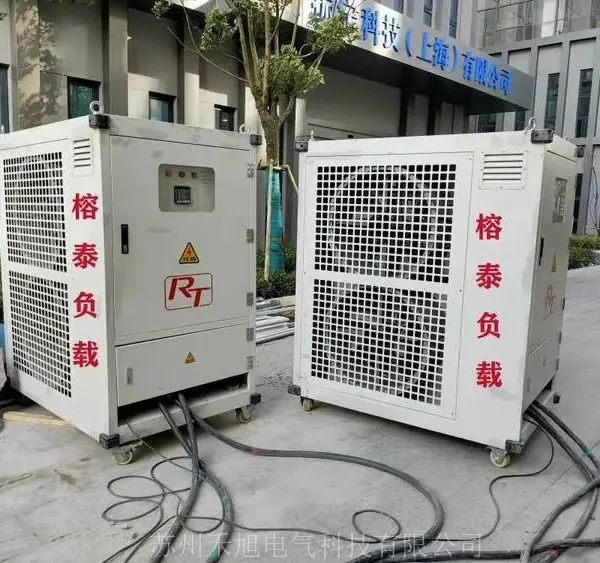
AC 400V 10-5000 Resistive Load Bank for UPS TestingNegotiableMOQ: 1 Unit
-
MW Container LoadBank for Generator Industrial GradeNegotiableMOQ: 1 Unit
-
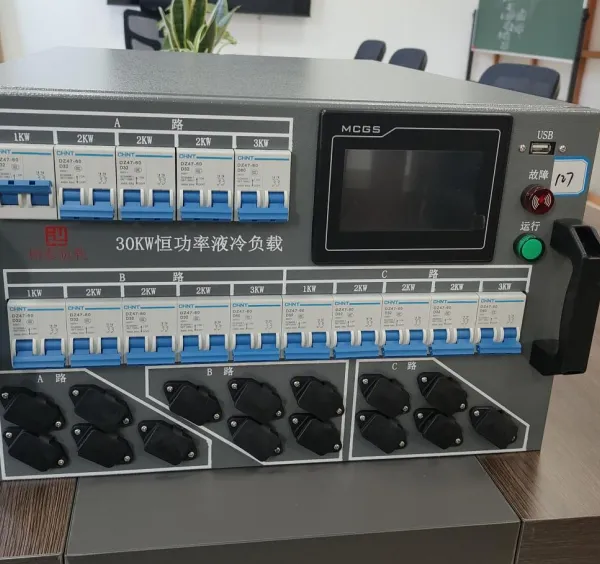
30kW Liquid-cooled Load BoxNegotiableMOQ: 1 Combo
-
6,000 kW Medium-Voltage Resistive-Inductive Load Bank, 7,500 KVA at 0.8 PF, PLC-ControlledNegotiableMOQ: 1 Unit
-
30kW Liquid-cooled Load BoxNegotiableMOQ: 5 Units
-
Rack-Mounted LoadsNegotiableMOQ: 10 Units
-
Low-Voltage Load Bank for Generator Commissioning, 400 V 3-Phase, Dry-Type ResistiveNegotiableMOQ: 1 Unit
-
30 kW Liquid-Cooled Load Bank for High-Density Rack Testing, Compact ChassisNegotiableMOQ: 5 Units
-
Rack-Mounted Load Bank for Data Hall Testing, 6–8-12 KW, AC/DC UniversalNegotiableMOQ: 50 Units
-
800 kW Three-Phase AC Load Bank for Generator Acceptance, 400 V, ResistiveNegotiableMOQ: 1 Unit
-
6,000 kW Resistive-Inductive Load Bank, 7,500 KVA at 0.8 PF, PLC-ControlledNegotiableMOQ: 1 Unit
-
OEM ODM Acceptance Load Bank All Types All Specifications All Dimensions CustomizedNegotiableMOQ: 100 Units
-
Medium Size Power Rate Loadbank Dimension CustomizedNegotiableMOQ: 5 Units
-
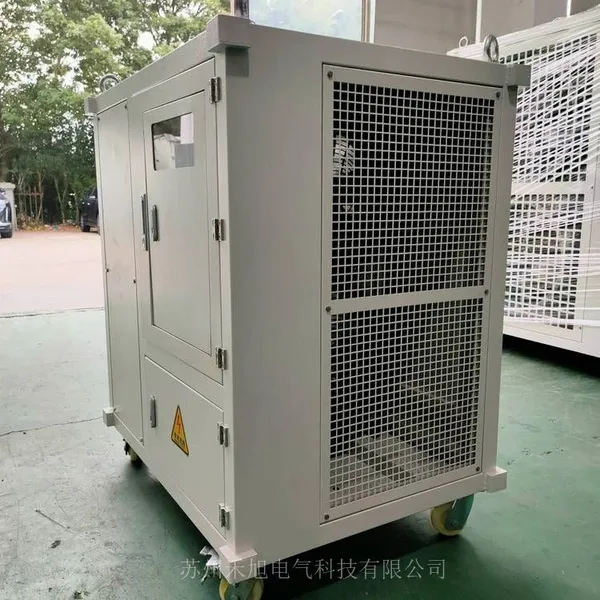
Removeable Load Bank With Castors Power Rated Medium Size 500-1000kw UPS Generator TestingNegotiableMOQ: 1 Unit
-
High Voltage Load Bank for Power StationNegotiableMOQ: 1 Unit
-
MW Power Rated Load Bank Industrial GradeNegotiableMOQ: 1 Unit